Heart Converter: The Techno Display Font for Bold Brand Identity
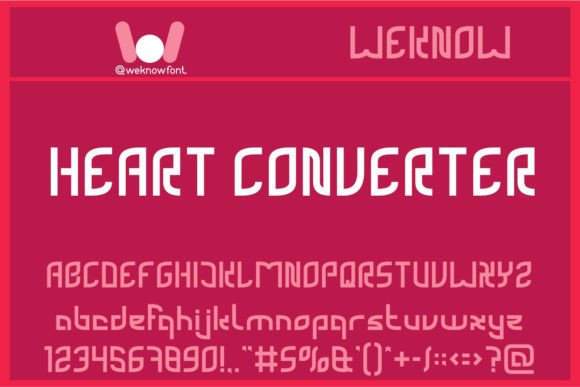
As a small business owner, I know that first impressions happen in milliseconds. Whether a customer is scrolling through Instagram or walking past a shop window, your visual identity needs to stop the scroll and command attention immediately. That is why selecting the right Display typeface is one of the most critical decisions you will make for your brand. If you are looking for a font that balances futuristic edge with approachable charm, Heart Converter is a techno-themed display font suitable for a logo, logotype, headline, corporate identity, brand identity, apparel industry, poster, music, movie, game, magazine, book, comic, cartoon, and beyond.
In this guide, I will share how I have integrated Heart Converter into my daily branding workflow. From packaging design to social media ads, this font has helped me create a consistent, professional, and trustworthy look across all real-world business touchpoints. Let’s explore how this creative font can elevate your entrepreneurial journey.
Why Heart Converter Works for Modern Logo Design
When building a brand from scratch, the logo is your anchor. You need a typeface that stands out without being illegible. Heart Converter delivers exactly that. Its techno-inspired aesthetic gives it a distinct personality that separates it from generic sans serif fonts found in every template pack. For boutique owners and startup founders, using Heart Converter for a logo design instantly signals innovation and modernity.
I remember struggling to find a font that felt "techy" but not cold. Heart Converter strikes the perfect balance. It has structural integrity that reads well at large sizes, making it ideal for signage and storefronts. When I used it for my initial mockups, the logotype looked polished and ready for print. Because it is classified as a display font, it is designed to be seen, not just read. This makes it an excellent choice for establishing a strong corporate identity where memorability is key.
Elevating Apparel and Merchandise with Heart Converter
If you sell physical products, especially in the apparel industry, your font choice directly impacts perceived value. Customers judge quality by how professional your merch looks. Heart Converter shines when applied to t-shirts, hoodies, tote bags, and stickers. Its bold, geometric lines hold up well on fabric textures, ensuring that your brand name remains clear even after washing.
I tested Heart Converter on various mockups for handmade candle labels and beauty product packaging. The techno theme added a contemporary twist that appealed to younger demographics who appreciate clean, edgy aesthetics. Unlike script fonts that can become muddy on curved surfaces, the sharp angles of Heart Converter maintain their shape. This consistency helps your brand look more recognizable and trustworthy. When customers see a cohesive design language across your clothing line and product tags, they perceive your business as established and reliable.
Creating Impactful Social Media Graphics and Digital Ads
Social media is a visual-first platform. On Instagram, Pinterest, and Facebook, you have less than a second to capture attention. Using a standard body font for headlines often results in posts getting lost in the feed. Heart Converter acts as a visual hook. I use it exclusively for headlines in my digital ads and promotional graphics because its unique style commands the eye.
For example, when promoting a new collection or a seasonal sale, I pair Heart Converter with high-contrast background images. The techno vibe complements modern photography styles, creating a unified aesthetic. It works particularly well for music events, gaming promotions, or tech-related services. By using Heart Converter as a headline font, I ensure that my message is delivered with authority. The font’s ability to convey mood quickly means I spend less time designing and more time engaging with my audience.
Enhancing Editorial Content for Magazines, Books, and Comics
Even if your business isn’t in publishing, you might produce content like e-books, magazines, or comic-style instructional guides. Heart Converter is a techno-themed display font suitable for a magazine, book, comic, cartoon, and other editorial formats. Its distinctive character adds flair to chapter titles, pull quotes, and cover art.
I recently used Heart Converter for the title page of a digital guide I created for my clients. The font gave the document a premium feel, elevating the perceived value of the information inside. In the context of a comic or cartoon, the font’s energetic lines match the dynamic nature of the visuals. It helps bridge the gap between text and image, creating a seamless reading experience. For authors and educators, this means your content doesn’t just inform; it entertains and engages.
Practical Font Pairing Strategies for Business Brands
One common mistake small business owners make is overusing decorative fonts. To keep your brand identity balanced, you need to pair Heart Converter with simpler typefaces. Since Heart Converter is a display font, it should generally be used sparingly as an accent or headline element. For body text, such as product descriptions, email newsletters, and website copy, stick to a clean sans serif font or a readable serif font.
A great combination is pairing Heart Converter with a minimalist geometric sans serif. The contrast between the techno, expressive headline and the neutral body text creates visual hierarchy. This ensures that while your brand looks stylish, it remains accessible. For instance, use Heart Converter for your café menu headers and a simple sans serif for the item descriptions. This approach helps customers navigate your materials easily while still enjoying the unique branding elements. Always test these pairings on mobile screens to ensure readability.
Ensuring Readability Across All Business Touchpoints
While Heart Converter is striking, readability is paramount for customer-facing materials. I always check how the font performs at different sizes. For small labels, business cards, or social media thumbnails, Heart Converter may need to be simplified or paired with ample white space. If the details become too dense, the techno theme can lose its impact.
For product labels, I recommend using Heart Converter only for the brand name or key selling points. Keep supporting text in a highly legible font. This strategy ensures that customers can quickly identify your product and understand its benefits. In the world of online shopping, clarity converts browsers into buyers. A font that is too difficult to read can create friction in the user experience, so always prioritize function alongside form.
Final Steps Before Launching Your Brand
Before committing to Heart Converter for your entire brand suite, I advise testing it extensively. Create mockups for your website banners, flyers, and packaging. Get feedback from friends, family, or potential customers. Does the font align with your target audience? Does it reflect the values of your business?
Additionally, always review the commercial font licensing agreement. Ensure you have the right permissions to use Heart Converter on merchandise, templates, client work, and digital downloads. Proper licensing protects your business and respects the designer’s work. With the right license and strategic application, Heart Converter becomes a powerful asset in your design toolkit.
By integrating Heart Converter into your logos, marketing materials, and digital presence, you create a brand that is not only visually stunning but also professionally consistent. It is more than just a font; it is a statement. Choose wisely, apply strategically, and watch your business stand out in a crowded marketplace.